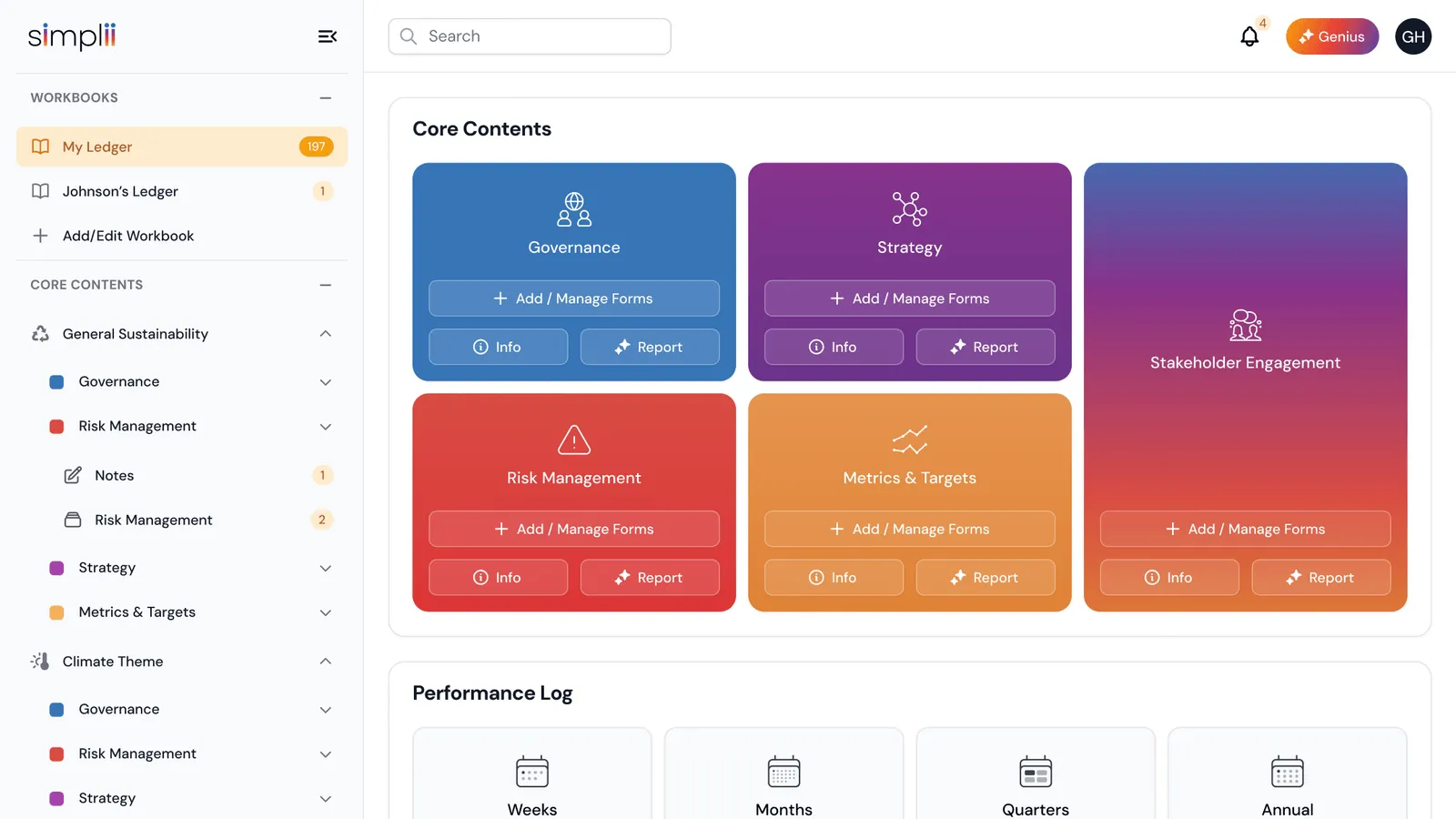
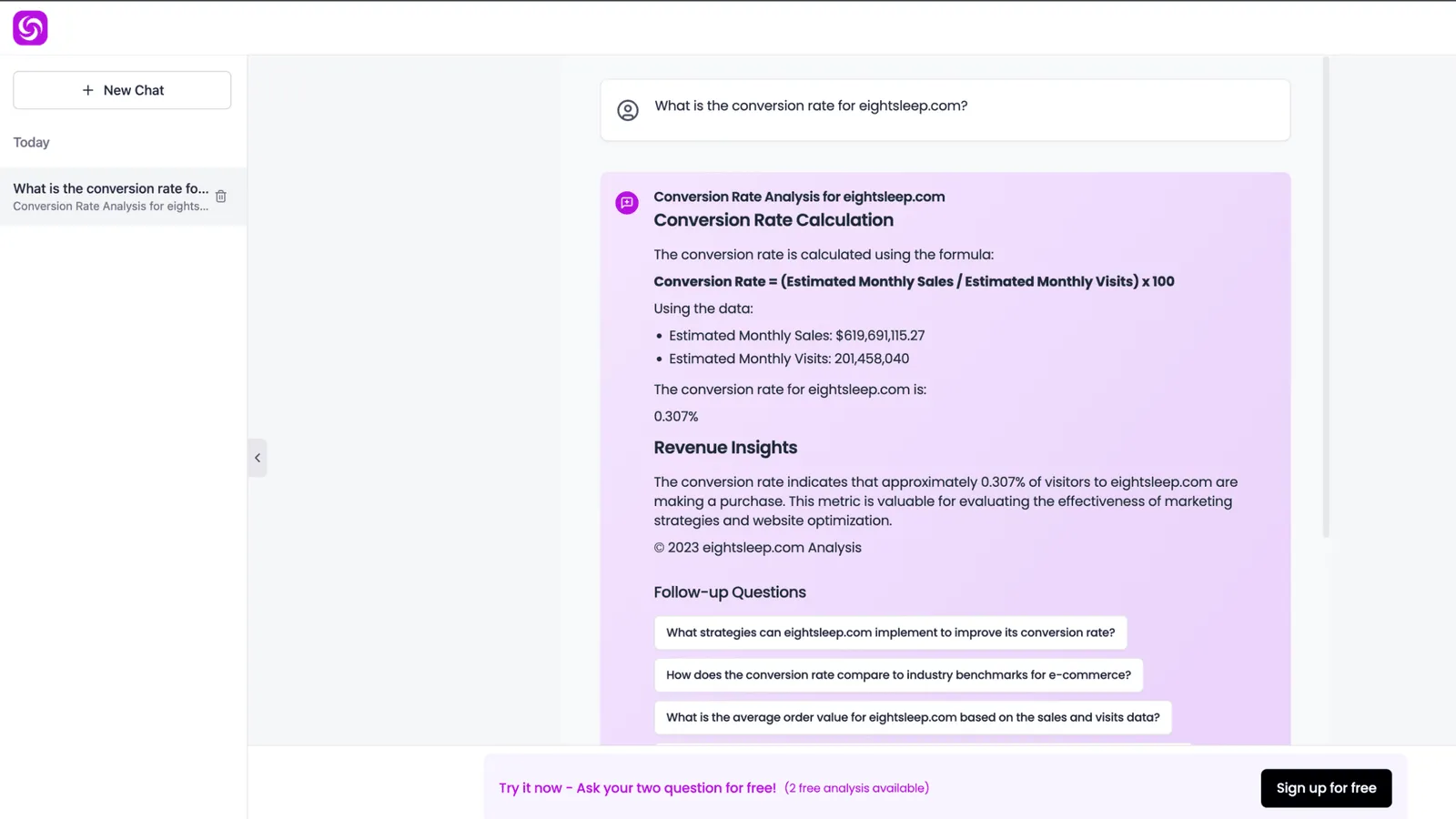
Who it's for

  • Founders who need a working product in front of users or investors
  • Small businesses replacing spreadsheets or manual work with a real web app
  • Teams with a validated idea and no in-house developer

What you get

  • A scoped plan with features, architecture and milestones before any code
  • A production web app with authentication, database and deployment
  • Payments, subscriptions, email and analytics wired in where the product needs them
  • The full source code in your repository
  • A handover walkthrough so you know how it runs

What a build looks like

We start with a short call and a written scope: what the first version does, what it leaves out, and how it will be built. Then I build in small, working increments you can click through on preview links, and we ship to your own hosting and domain.

What an MVP includes

An MVP is the smallest version of your product that real users can sign up to and get value from. In practice that usually means:

  • Sign-up and login, with roles if different people see different things
  • The one core workflow your product exists for, done properly
  • A production database with backups
  • Payments or subscriptions, if you charge from day one
  • Email for sign-up, receipts and notifications
  • Analytics, so you can see what users actually do

Everything else goes on the list for version two.

SaaS development, beyond the MVP

Once the MVP has users, the work shifts to what they ask for: new features, integrations, performance and reliability. That ongoing work can run on a monthly retainer ($1,200 for 10 hours a week, $2,400 for 20) instead of a fixed price. See how pricing works.

What you get at the end

A working product your users can sign up to, a codebase another developer can pick up, and a list of what to build next.

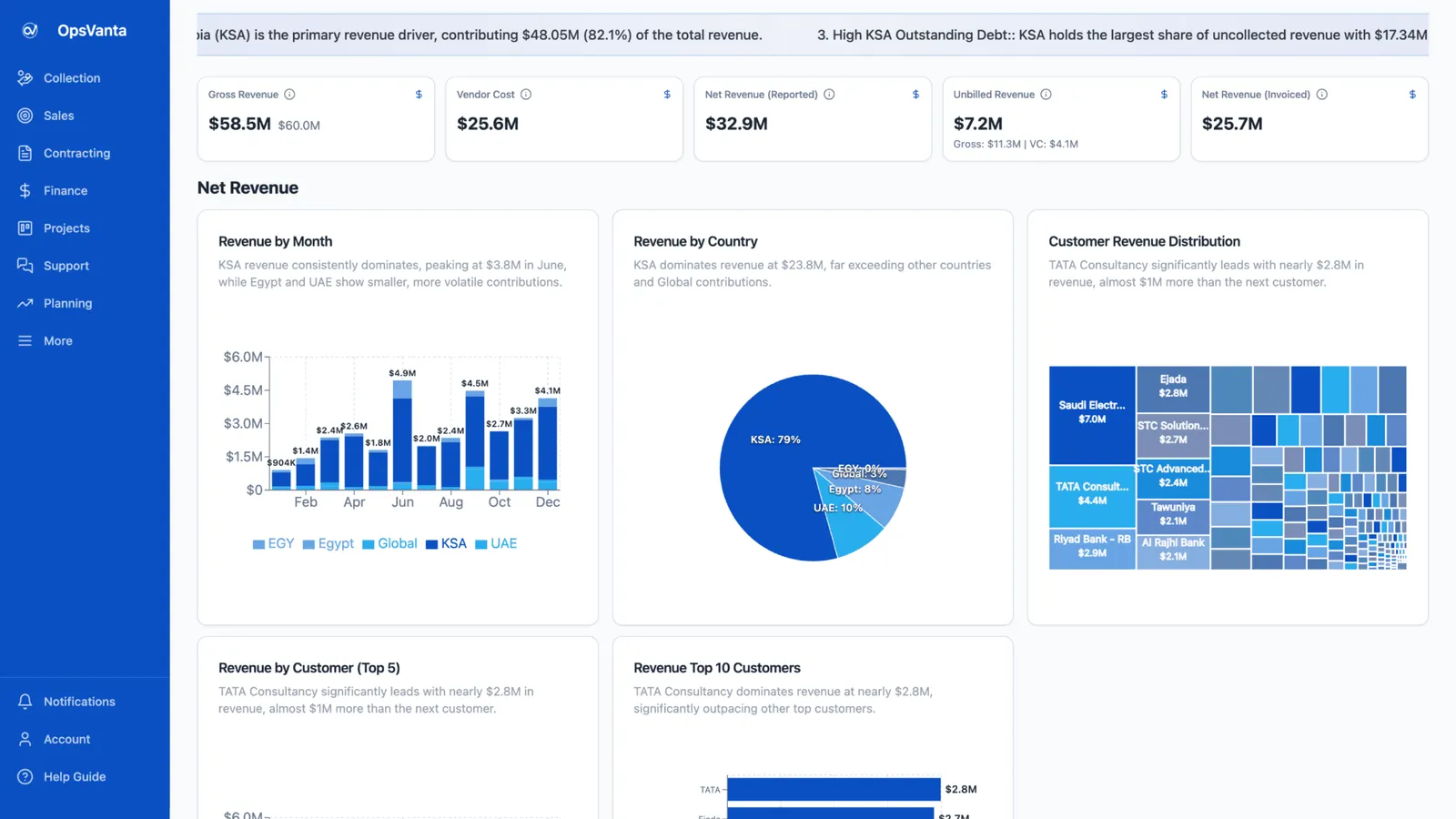
Proof

Real products I built for real clients: the problem, what I built, and the stack.

How it's built

The architecture, step by step

A production web app, from screen to server

  1. Interface

    The screens your users click

    • React
    • JavaScript
  2. Logic and API

    Business rules and integrations

    • JavaScript
    • Python
  3. Data and auth

    Accounts, roles and records

    • Supabase
    • Firebase
  4. AI features

    Only where they save users time

    • Claude
    • GPT
  5. Live

    Your domain, your hosting

Why this stack

  • Supabase when the data is relational and needs SQL; Firebase when real-time sync matters most.
  • AI features are added where they remove work, not as decoration.
  • Everything runs in accounts you own, with the code in your repository.

Typical starting points. The final stack is chosen per project and written into your scope.

Related reading

Questions

How long does it take to build an MVP?

Most MVPs are planned in weeks, not months. The exact timeline depends on how many core features the first version needs, and it is written into your scope with milestones before work starts.

What is the difference between an MVP and a prototype?

A prototype shows what the product could look like. An MVP is the smallest version real users can sign up to and use, with real data, security and, if needed, payments. I build MVPs, and I also take prototypes made in Lovable, Bolt, Replit or Base44 to production.

Can you build a SaaS MVP with subscriptions?

Yes. Accounts, roles, subscription payments and transactional email are standard parts of a SaaS MVP and are included in the scope when your product needs them.

How do you build this quickly without cutting corners?

I use AI coding tools (Claude Code and Codex) for the repetitive work and spend my time on architecture, review and testing. Every change is reviewed and tested before it ships.

How much does an MVP cost?

MVPs start from $3,000 at a fixed price. The exact price is set in your written scope after a 30-minute call. The biggest cost drivers are the number of core features, integrations, and how much design work is needed.

Tell me what you want to build

A 30-minute call is enough to tell whether it fits, what the first version should include, and how long it takes.

Book a 30-minute call